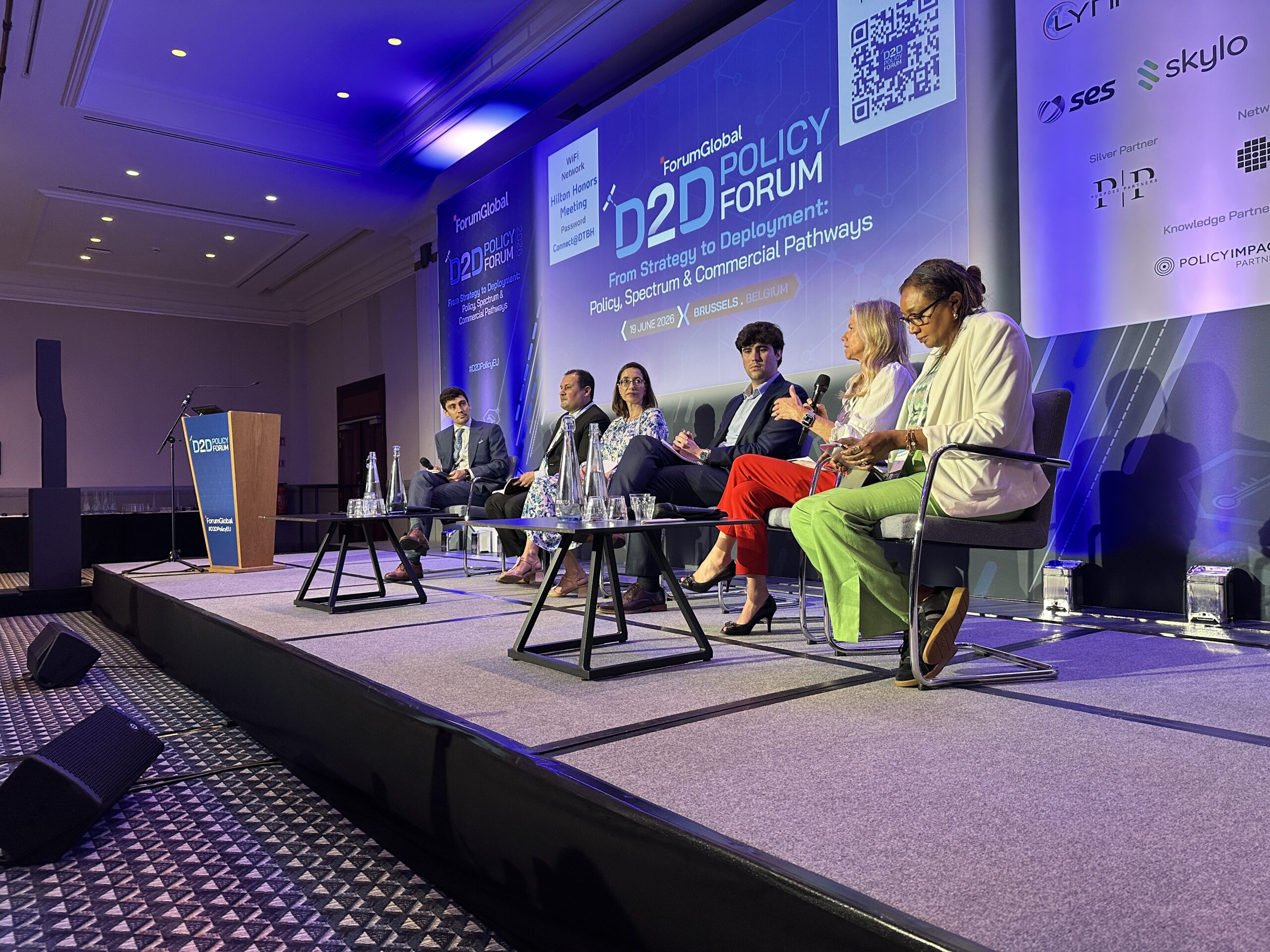
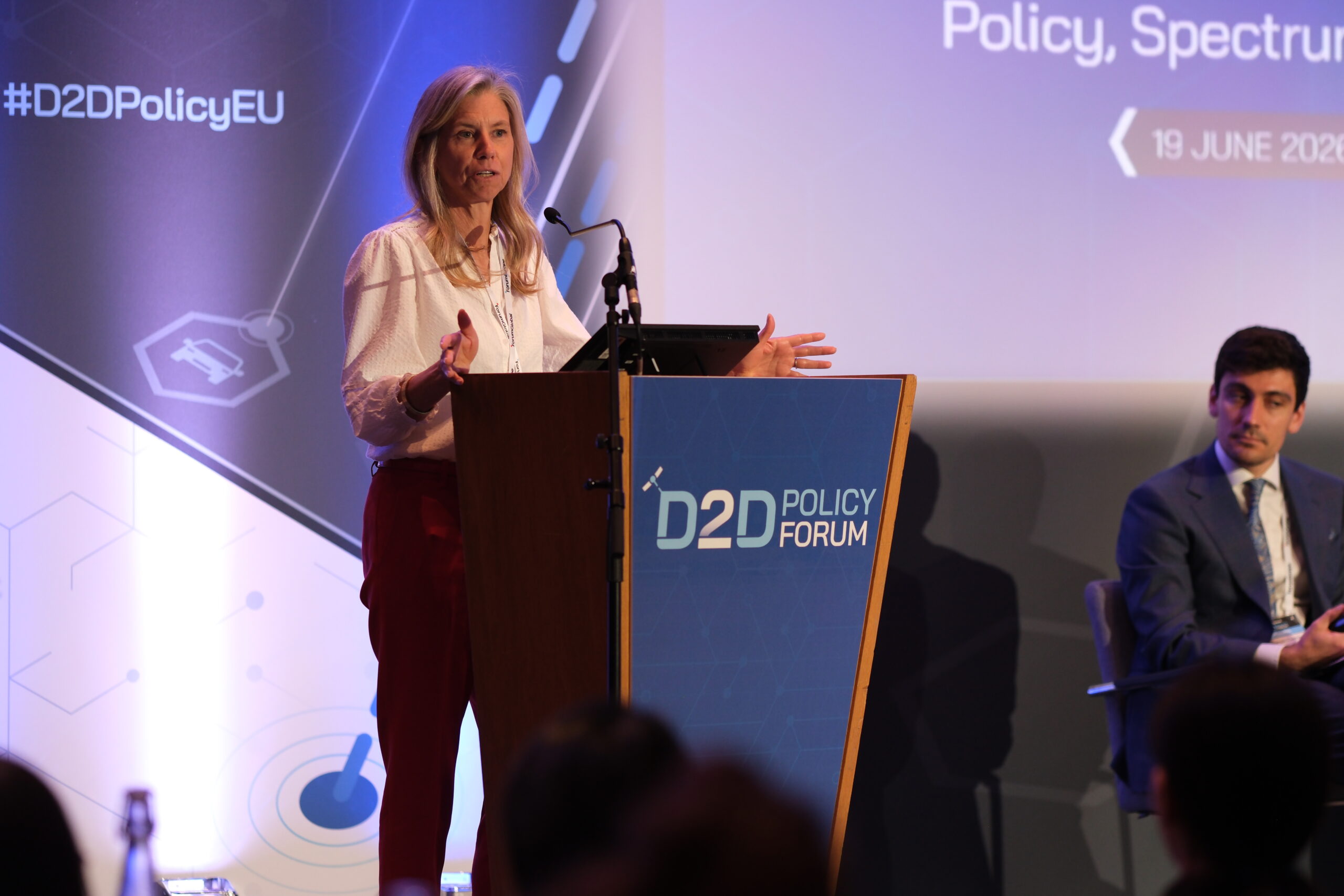
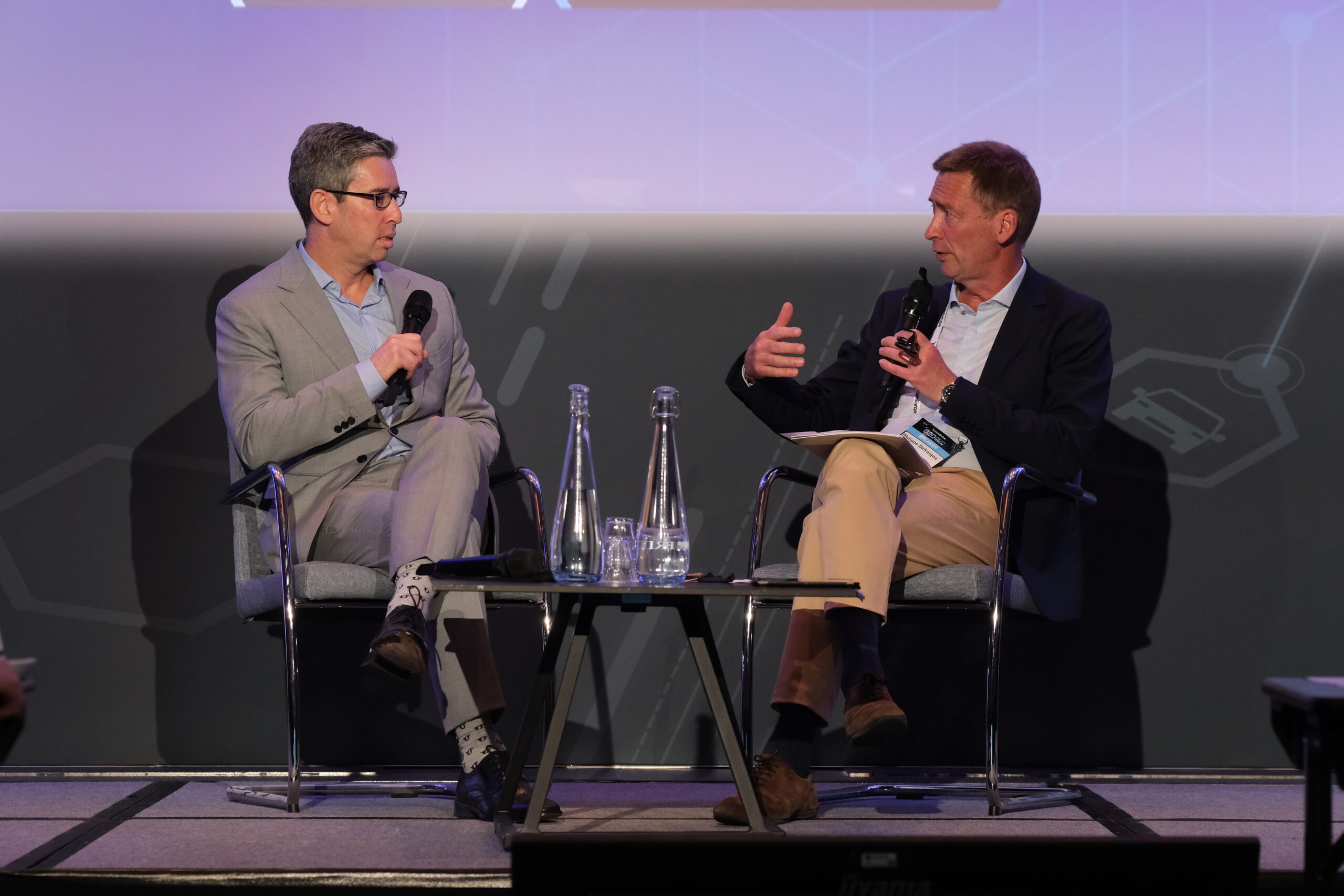
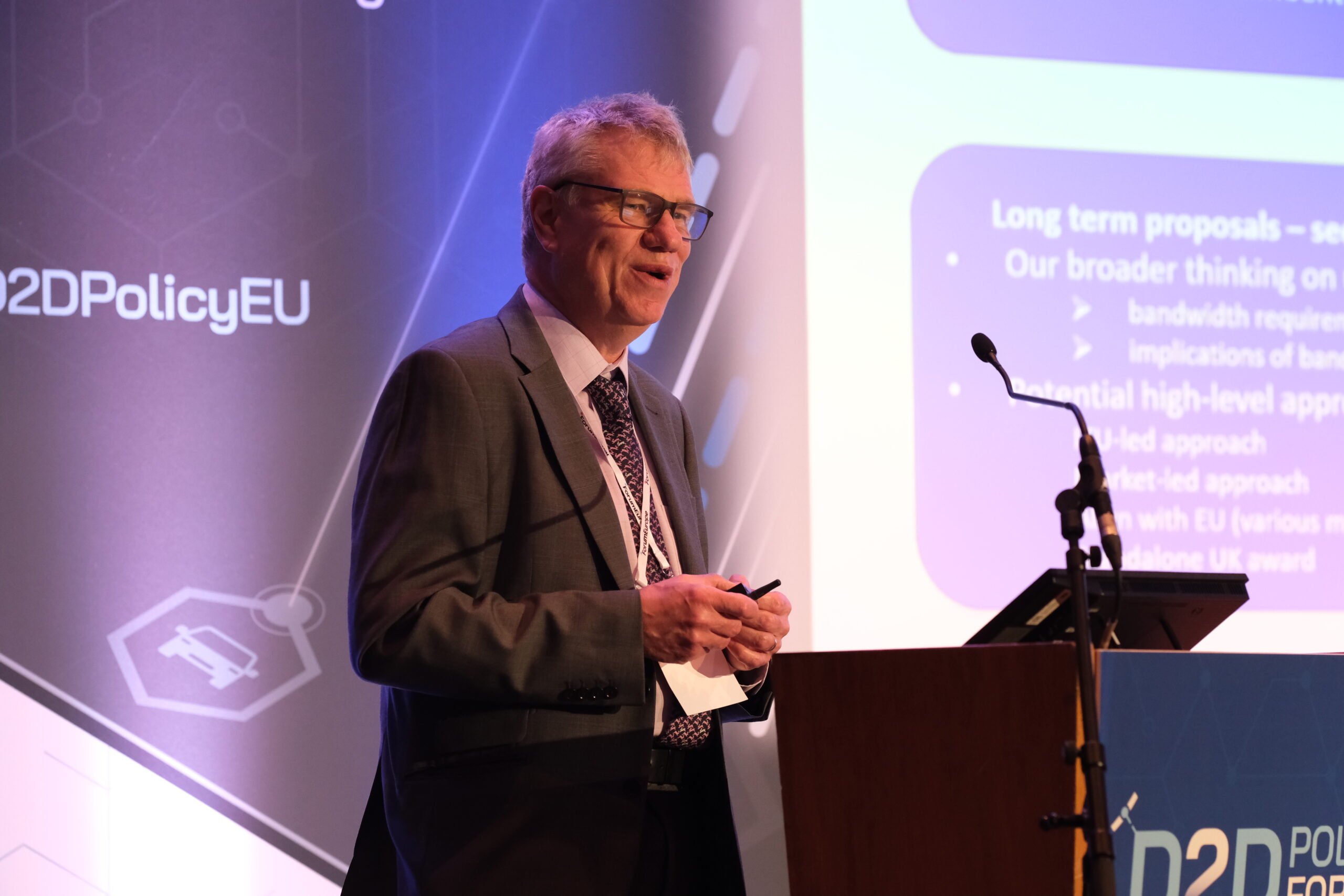
Event Overview

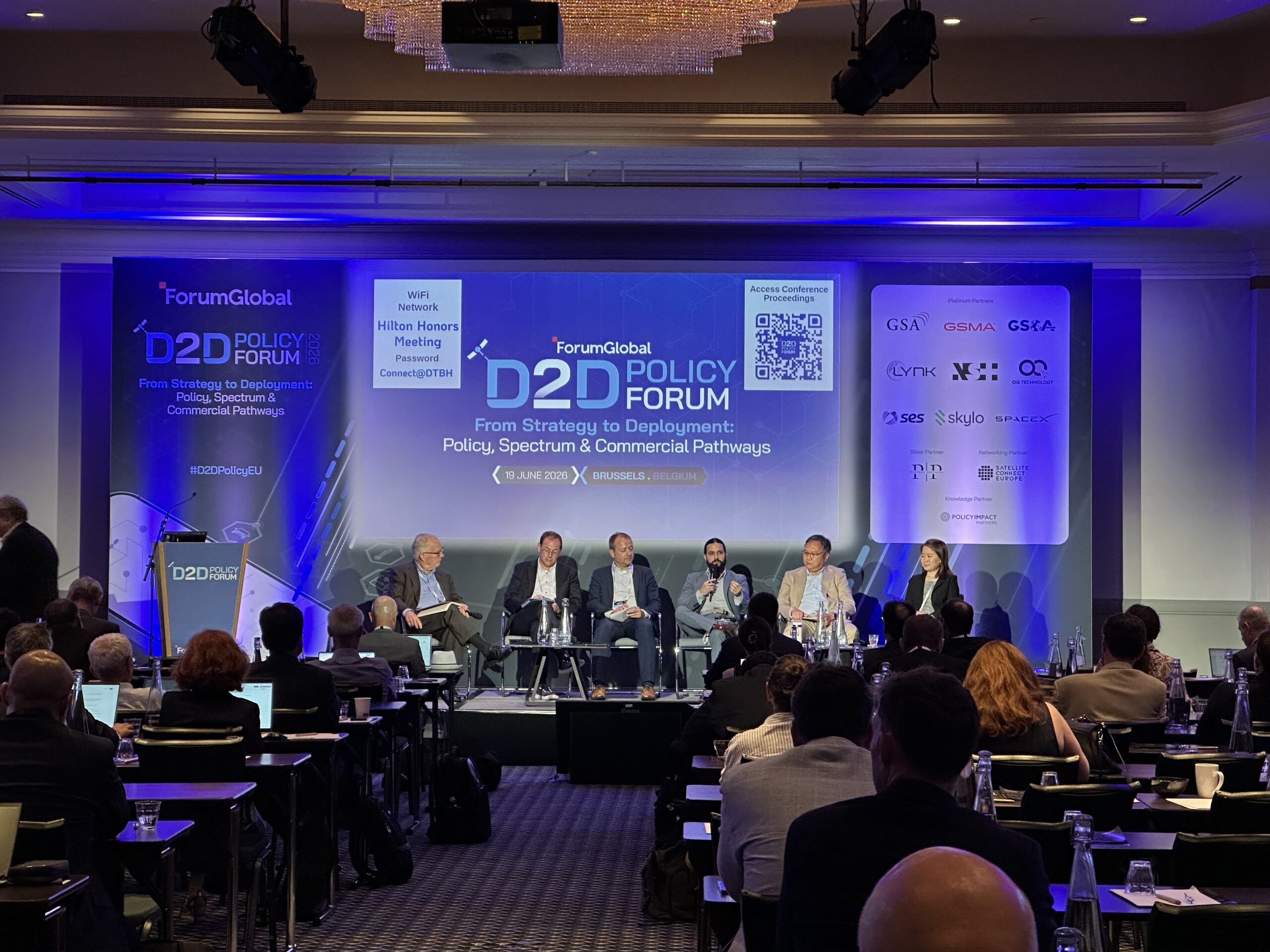
As direct-to-device (D2D) technologies move from concept to commercial reality, join experts from across Europe and beyond to discuss the policy, technical and commercial challenges shaping this key technology in Europe.
 
Twelve months on from the RSPG Opinion on D2D, and as CEPT advances compatibility studies ahead of WRC-27, Europe faces pivotal choices. National authorisation models are emerging, global deployments are accelerating, and policymakers are working to clarify the best regulatory direction, define the appropriate level of coordination, and determine how D2D fits within its broader connectivity and strategic ambitions.
 
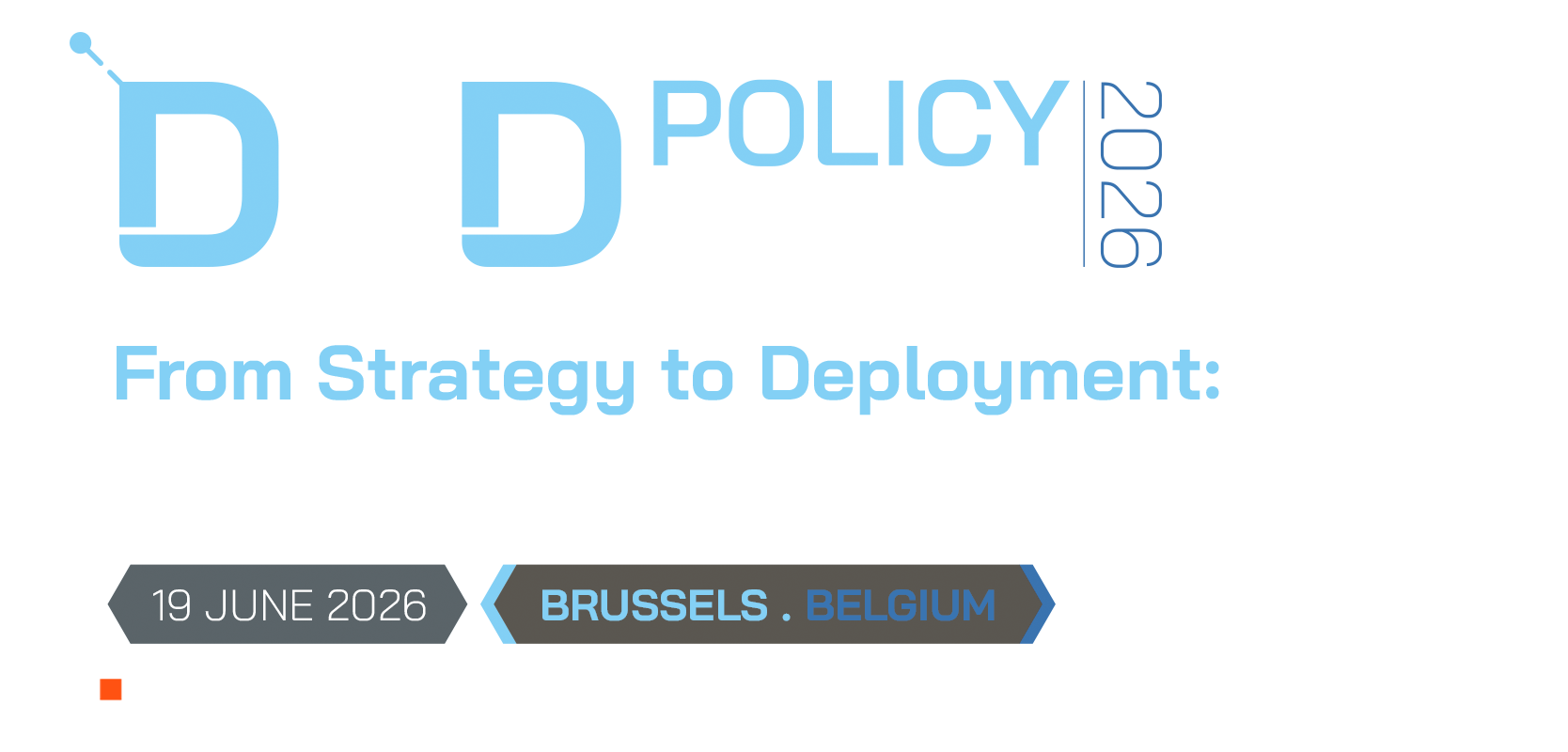
Taking place on 19 June 2026, alongside the European Spectrum Management Conference at the DoubleTree by Hilton Brussels City, this high-level forum will bring together EU policymakers, national regulators, mobile and satellite operators and technology leaders to examine the path forward for D2D and how it can evolve in a way that strengthens the Single Market while fostering innovation, legal certainty and fair competition.

Taking place in Brussels, alongside the RSPG meeting on 16 June, the European Spectrum Management Conference will return for its 21st edition on 17 – 18 June 2026. Find out more about this key meeting point for the European spectrum community at spectrummanagement.eu.

Key Themes

D2D and the Single Market
Building a D2D Strategy for Europe
Global Policy Models for D2D Connectivity
Enabling D2D in Mobile Bands
Use Cases and Commercial Pathways
Spectrum to Meet the Requirements of MSS D2D

First Confirmed Event Partners

Organised by

Forum Global logo 350x194

Platinum Partners

Access Partnership logo 350x194
Globalstar logo 350x194
GSA-logo-350x194-1.png
GSMA new logo to use
NEW 2026 GSOA logo 350x194
Newsky.plus logo 350x194
OQ logo 350x194 v2
Sateliot
SES 350x194
Skylo logo 350x194
viasat logo 350x194
Vodafone logo 350x194

Networking Partner

Knowledge Partner

Sat CE logo 350x194
PIP logo 350x194

Sponsorship Opportunities

We have various speaking, sponsor, and wider visibility opportunities available at the event. Should you be interested in becoming involved at the European D2D Policy Forum, please contact Dan Craft on [email protected]

Agenda

The full conference agenda will be available soon, offering an in-depth overview of all sessions, speakers, and activities. Stay tuned for exciting updates!

All times listed are in local Brussels time (CEST)

Day 1
2026-06-19
09:00 - 09:10
Welcome Introductions
Welcome Introductions image
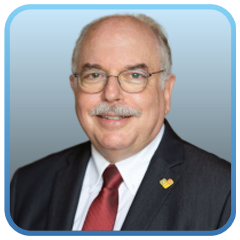
Moderator: Herman Schepers
Founder & Managing Director, Policy Impact Partners
09:10 - 09:40
Keynote Presentations
09:40 - 10:45
Session 1: D2D and the Single Market – Toward a Coherent European Strategy

Direct-to-Device (D2D) satellite connectivity continues at pace to move from technical concept to strategic reality. What began as a discussion about spectrum feasibility and licensing models has evolved into a broader policy debate touching on digital sovereignty, industrial competitiveness, and the future architecture of Europe’s converged terrestrial and non-terrestrial networks. Twelve months on from the RSPG Opinion on D2D and related Single Market issues, CEPT is advancing technical work, Member States are assessing national authorisation approaches, and questions remain around how existing EU legislation accommodates this emerging model. As deployments accelerate globally and WRC-27 approaches, Europe faces a pivotal moment to clarify its regulatory direction, define the appropriate level of coordination, and determine how D2D fits within its broader connectivity and strategic ambitions. This session will take stock of progress since the RSPG Opinion, examine whether the current framework is fit for purpose, and explore the policy choices that may be required to ensure that D2D develops in a way that supports innovation, competition and the integrity of the Single Market.


  • What long-term strategic role should D2D play in Europe’s connectivity, competitiveness and digital sovereignty agenda?
  • To what extent is D2D currently handled within the Digital Networks Act and broader EU connectivity legislation? How can it be ensured that the regulatory framework is in place to provide long-term legal certainty and policy coherence?
  • What approaches are emerging across Member States regarding national authorisation and market access models for D2D? How can regulators and policymakers accommodate national specificities and requirements while maintaining sufficient coordination to support cross-border services and preserve the integrity of the Single Market as D2D scales?
  • What common safeguards, if any, should be developed at EU level to balance open market access with fair competition and spectrum protection?
  • Can Europe move toward a harmonised approach rather than fragmented national solutions? Where should the balance lie between coordination at the European level and allowing Member States the flexibility to make decisions based on their specific national circumstances and needs?
  • As demand for MSS spectrum grows, how should Europe approach licensing and assignment models? Should mechanisms such as coordinated EU frameworks or the introduction of auctions be considered to ensure fair access, competition and efficient spectrum use?
  • How important is the 2 GHz band play in enabling D2D services in Europe, and what technical or regulatory adjustments would be required to support satellite-to-device operations in this band? What alternative options are available to deliver the required spectrum to meet the developing requirements of MSS D2D?
  • How does D2D align with Europe’s strategic autonomy ambitions and the objectives of IRIS²? Should sovereign capability play a defining role in policy choices?
  • With direct-to-device (D2D) currently a major focus, is there a risk that its connectivity requirements are prioritised at the expense of other critical services? How can this be mitigated?


10:45 - 11:10
Refreshment Break
11:10 - 12:00
Session 2: Global Policy Models for Direct-to-Device Connectivity
Case Study – United Kingdom
Case Study – United States
Case Study – Ukraine
Q&A and Discussion
12:00 - 13:05
Session 3: Enabling D2D in Mobile Bands – Technical Foundations towards Commercial Deployment

As Europe considers the strategic and regulatory framework for Direct-to-Device connectivity, the technical feasibility of enabling satellite-to-device services in harmonised mobile (IMT) bands remains a central question. Existing EU spectrum harmonisation decisions were designed for terrestrial networks and do not yet include technical parameters for space-based transmitters communicating directly with standard mobile devices. Following the RSPG Opinion, CEPT is advancing compatibility studies to assess interference scenarios, protection criteria and operational constraints, while 3GPP continues work on Non-Terrestrial Network (NTN) standards. With WRC-27 preparations underway and commercial trials progressing globally, clarity is needed on whether D2D-IMT can be introduced into European mobile bands without undermining terrestrial network performance, spectrum rights or cross-border coordination. This session will examine the technical and spectrum-management foundations required to move from concept to implementation.


  • How important is it to have a reliable and robust framework in place to protect against interference in order to help secure the investment needed to advance D2D?
  • What are the key technical and interference challenges in enabling satellite-to-device transmissions within existing harmonised IMT bands?
  • What progress has CEPT made in defining compatibility studies and potential technical conditions for D2D-IMT?
  • What is the timeframe ahead? Is there value in Europe adopting a regulatory framework before WRC-27?
  • How should protection criteria between satellite systems and terrestrial mobile networks be established to safeguard service quality and investment certainty? What specific issues are arise in border areas, and how can these be best managed?
  • What operational conditions – such as power limits, coordination mechanisms or geographic restrictions – may be required to ensure coexistence? How will they be enforced?
  • What lessons can Europe draw from regulatory and technical approaches already being implemented or trialled in other countries and regions?
  • What technical milestones must be achieved before commercial D2D-IMT services can be introduced at scale in Europe?
13:05 - 14:05
Lunch
14:05 - 14:25
Fireside Chat
14:25 - 15:40
Session 4: Where Does D2D Deliver Real Value? Use Cases, Spectrum Approaches and Commercial Pathways

As satellite Direct-to-Device (D2D) moves from proof-of-concept to early commercial deployment, the debate is shifting from “Can it work?” to “Where does it make strategic and commercial sense?”. The early narrative, which often positioned stakeholders in two distinct camps, advocating either traditional satellite (MSS) spectrum or terrestrial mobile (IMT) spectrum exclusively, is increasingly giving way to a more pragmatic reality. Providers are now exploring hybrid spectrum models that combine MSS and IMT solutions, reflecting both regulatory constraints and evolving business opportunities. This shift raises important questions about which spectrum bands, partnership structures and revenue models are best suited to particular use cases in the short term and how that balance may evolve over time. Against this backdrop, this session will examine how the D2D ecosystem is developing, focusing on the practical use cases and commercial pathways most likely to shape the market. It will explore where the strongest value proposition lies – whether in rural coverage extension, resilience and disaster recovery, IoT connectivity, maritime and aviation services, or mission-critical communications – and discuss how spectrum strategy, technological capability and operator partnerships will determine the scale, sustainability and long-term positioning of D2D within Europe’s broader connectivity landscape.


  • Where can D2D deliver genuine added value in the short term and in the longer term? Which use cases offer the clearest and most sustainable value proposition in Europe and elsewhere around the world?
  • What can we learn from early deployments of D2D that have been seen around the world to date?
  • What are the factors that have led to operators such as Lynk, AST SpaceMobile and SpaceX to increasingly seek access to MSS assets alongside their initial focus on utilising MNO terrestrial spectrum? In what scenarios is MSS spectrum more commercially and technically appropriate than the IMT spectrum for D2D services, and where do hybrid models offer distinct advantages?
  • How are partnership models between satellite operators and MNOs evolving, and what structures are most likely to scale successfully?
  • How should spectrum strategy align with realistic traffic demand, device capabilities and service expectations across different verticals?
  • What revenue models are emerging for D2D – wholesale, bundled consumer services, and enterprise resilience offerings – and which appear commercially viable?
  • How might advances in 3GPP standards, device integration and satellite technology reshape the balance between MSS, IMT and hybrid approaches over the next five to ten years?
  • Could mmWave spectrum have a role in D2D connectivity, particularly as demand for higher throughput grows? How could a move into these higher frequency bands impact potential use cases and business models?
15:00 - 15:10
End of Conference
Select date to see events.

2025 Event Highlights

Speakers Include

Mario Maniewicz - Website Image

Mario Maniewicz

Director, Radiocommunications Bureau

ITU

Gerasimos Sofianatos frame 2

Gerasimos Sofianatos

Head of Unit, Radio Spectrum Policy

European Commission

Julia Criado frame d2d

Julia Criado

Chair

RSPG

Deputy Director for Radioelectric Spectrum Planning and Management

Ministry of Digital Transformation and Digital Infrastructures, Spain

Jonas Wessel frame d2d

Jonas Wessel

Co-Chair, Strategic Spectrum Matters WG

RSPG

Director, Spectrum Management

Swedish Post and Telecom Agency

Chris Woolford FRAME D2D

Chris Woolford

Director, International Spectrum Policy

Ofcom, UK

Iryna Cherniavska frame

Iryna Cherniavska

Director, Radio Frequency Spectrum Department

National Commission for the State Regulation of Electronic Communications (NCEC), Ukraine

Ilya Polshakov frame

Illya Polshakov

Director of New Business Development

Kyivstar

Prasanna Nagarajan frame

Prasanna Nagarajan

Chief Technology Officer

OQ Technology

Ivan Suarez frame

Ivan Suarez

Director, Regulatory and Policy

Newsky.plus

Ferran Font frame d2d

Ferran Font

Analyst, Spectrum Policy

GSMA

Amy Melhman D2D25

Amy Mehlman

EVP and Chief Global Affairs Officer

Lynk Global

Peng Zhao

Peng Zhao

Vice President of Policy & Regulatory

GSOA

Herman Schepers

Herman Schepers

Founder & Managing Director

Policy Impact Partners

Hazem Moakkit

Hazem Moakkit

Vice President, Spectrum Strategy

Intelsat

Julie Kearney

Julie Kearney

Partner, Co-Chair, Space Exploration and Innovation Practice

DLA Piper

Carol S. Leguizamón Website

Carol Sosa Leguizamón

Spectrum Policy Director

GSMA

Antoine Grenier

Antoine Grenier

Partner

Analysys Mason

Laurent Bodasseau

Laurent Bodusseau

Vice President, European Government & Regulatory Affairs

Viasat

Daniel Batty 1

Daniel Batty

Regulatory and Policy Advisor

Newsky.plus

Juan C

Juan Cacace

Director, Government Affairs, Space and Connectivity Lead

Access Partnership

Costs

Please kindly note that this is a fully in-person event, taking place at the DoubleTree by Hilton Brussels City.

There will be no virtual element to this event. Please only register if you are able to attend the event in Brussels.

Organisation Type

Cost

Standard

Applies to: Corporate, Trade Association, Law Firm/Public Affairs Firm

€95

Reduced

Applies to: NGO/Not for Profit

€55

Academic / Student

Applies to: Academic / Student

€20

Free

Applies to: National Government / Regulator & Diplomatic Mission to the EU, European Commission / Parliament / Council, EU Permanent Representatives, National Space Agencies/ESA, Accredited Journalists

FREE

Please kindly note that fees do not include Belgian VAT at 21% and this amount will be added to the total price when you are invoiced.

Practical Information

Event Venue

DoubleTree by Hilton, Brussels City

Rue Gineste 3, 1210 Bruxelles, Belgium

If you and your team need a hotel bedroom for the duration of the event, we negotiated a special rate for accommodation at the DoubleTree by Hilton, Brussels City. Please click here to book your room.

Contact

For more information on any aspect of this event, please contact Ariana Martins using any of the details below.

Ariana Martins
Event Manager
Forum Global
[email protected]

Receive our event updates

Sign up to receive updates on our upcoming policy events. We will only send you emails about the conferences and topics that interest you, and you can unsubscribe at any time. 


2025 Event Partners

Organised by

Forum-Global-logo-350x194-1.png

Platinum Partners

Access-Partnership-logo-350x194-1.png
Analysys-Mason-logo-350x194-1.png
AST-Space-Mobile.png
DLA-Piper.png
GSMA-new-logo-to-use.png
NEW-2026-GSOA-logo-350x194-1.png
Hispasat-for-website-1.png
Intelsat-SES-new-logo-temporary.png
Lynk-logo-350x194-1.png
Newsky.plus-logo-350x194-1.png
Sateliot-350x194-1.png
SES-350x194-1.png
Skylo-logo-350x194-1.png
viasat-logo-350x194-1.png
Vodafone-logo-350x194-1.png

Knowledge Partner

PIP-logo-350x194-1.png